Showing posts with label Djibouti. Show all posts

Monday, October 5, 2026

China Broadens Southeast Asia Military Footprint With New Laos Air Base And Expanded Regional Reach


China has significantly expanded its overseas military network, adding a new air facility in Laos to complement its existing access to a naval installation in Cambodia and its long-standing overseas base in Djibouti. The development marks a notable extension of Beijing’s military presence across Southeast Asia.

The newly operational China-Laos Joint Support and Training Centre and the China-Laos Friendship Aviation Academy were officially inaugurated at Ban Keun Airport in Laos on 29 September 2026. The opening ceremony was attended by Lao Defence Minister Khamlieng Outhakayson and followed high-level talks between Lao President Thongloun Sisoulith and Chinese President Xi Jinping in Beijing earlier this year, during which defence cooperation featured prominently.

Located roughly 50 kilometres north of Vientiane, the Ban Keun facility occupies a site with historical significance. During the Vietnam War, it was home to Lima Site 44, part of a network of airfields developed by the United States and the CIA. Construction of the modern facility appears to have commenced in late 2025 on land previously used for agriculture.

The base now features a 2,000-metre paved runway, taxiway, aircraft apron, air traffic control tower and five hangars. While most major infrastructure has been completed, additional development work remains under way.

China and Laos describe the installation as a jointly operated training facility intended to improve pilot training and aviation capabilities within the Lao military. Beijing has emphasised that the centre complies with domestic and international law, is based on mutual consultation and is not aimed at any third country.

Despite these assurances, regional analysts believe the base carries broader strategic significance. Vietnam is expected to view the development with particular concern given its historical tensions with China and the base’s location west of Vietnamese territory. The facility extends China’s potential operational reach deeper into mainland Southeast Asia.

Laos operates one of the region’s smallest air forces, consisting of a limited fleet of Russian- and Chinese-built aircraft and helicopters. Its inventory includes MA60 and MA600 transport aircraft, Z-9 helicopters, LE500 basic trainers and K-8W jet trainers. The country’s principal air facilities are located at Vientiane-Wattay International Airport and Xiengkhouang.

Analysts suggest the scale of the new training complex exceeds the immediate needs of the Lao Air Force. Beijing is widely expected to encourage greater reliance on Chinese military aircraft, technology and training systems, potentially replacing remaining Russian equipment and creating long-term strategic dependencies.

Chinese authorities have not disclosed the number of personnel, aircraft or support assets that will be stationed at Ban Keun. However, reports indicate that PLA Air Force JL-8 trainer aircraft could operate from the base alongside Laos’ existing K-8W fleet.

Questions also remain regarding the legal framework governing Chinese military access. Although Laos is expected to retain sovereignty over operations, observers note that Beijing’s growing economic influence could provide leverage in future negotiations concerning military usage.

Chinese military commentators have highlighted Ban Keun’s location along the China-Laos Railway corridor as a key logistical advantage. The rail connection enables efficient movement of personnel and equipment from southern China while also linking the facility closely to major regional transport routes.

The base’s proximity to Vientiane offers practical advantages for pilot training, administration and governmental oversight. Its location in relatively flat terrain is also considered more suitable for aviation operations than much of mountainous Laos.

Chinese analysts have identified three principal objectives for the installation. The first is strengthening the training and modernisation of the Lao Air Force, thereby expanding Chinese influence over future procurement and operational standards.

The second is enhancing military operations and exercises in Southeast Asia. Ban Keun could provide an additional operating location for Chinese aircraft participating in regional drills, including exercises with Thailand, while offering more realistic deployment scenarios.

The third objective relates to broader geopolitical influence. Numerous major cities across mainland Southeast Asia lie within operational range of the facility, potentially increasing China’s strategic presence throughout the Indochina Peninsula.

Some defence experts argue that the base’s greatest importance lies less in its immediate military utility and more in establishing a permanent Chinese military presence in Laos while strengthening institutional ties between the two armed forces.

The Laos installation differs from China’s overseas facility in Djibouti, which primarily supports anti-piracy operations in the Gulf of Aden but also hosts Chinese naval infantry and armoured assets. The Djibouti base provides Beijing with a rapid-response capability across parts of Africa and the Middle East.

The Pentagon has previously assessed that Djibouti has contributed more to sustaining a permanent Chinese regional military presence than to the evacuation of citizens or protection of investments, despite those being among its publicly stated purposes.

Ban Keun is particularly significant because it represents the first overseas facility specifically focused on air force operations. The PLA is expected to maintain a continuous support presence while rotating personnel and aircraft through the base.

Some Chinese commentators suggest Beijing may have preferred Laos because Cambodia was reluctant to host a similar air facility. Phnom Penh has increasingly pursued a balancing strategy, maintaining security ties with China while also strengthening engagement with countries such as the United States and Japan.

China already enjoys extensive access to Cambodia’s Ream Naval Base on the Gulf of Thailand. The jointly operated support and training centre there was inaugurated in April 2025 after substantial Chinese-funded expansion, including new berths and facilities.

Although Chinese warships regularly utilise Ream, Cambodia maintains that the base remains open to friendly foreign navies. That position was reinforced when the USS Cincinnati visited the facility in January 2026, marking the first United States naval visit since its redevelopment.

Cambodian Prime Minister Hun Manet has repeatedly insisted that no foreign country will be granted exclusive military rights at Ream, citing constitutional restrictions on foreign military bases.

At the same time, Cambodia has revived military exercises with the United States after a decade-long pause, reflecting its broader effort to maintain strategic flexibility between competing powers.

China and Cambodia continue to deepen military cooperation through annual Golden Dragon exercises and defence equipment transfers, including the supply of Type 056 corvettes to the Royal Cambodian Navy.

Together, the facilities at Ream and Ban Keun provide China with expanded access to both maritime and air domains in Southeast Asia. They also complement Beijing’s extensive military infrastructure across the South China Sea, including installations in the Paracel and Spratly Islands.

Chinese officials maintain that the Laos training centre will help establish a comprehensive aviation training system covering pilots, maintenance personnel and other aviation specialists. The facility is also expected to support simulators, joint exercises, technical assistance and long-term capability development.

Laotian personnel currently receive training in China, Russia and Vietnam. The new institution could reduce reliance on overseas programmes by allowing more instruction to take place domestically.

Chinese media further argue that the centre could support humanitarian operations, search-and-rescue missions, border security tasks and disaster-relief activities throughout the Mekong region.

Meanwhile, the Pentagon continues to assess that China is seeking a broader overseas logistics and basing network to support long-distance military operations. Potential locations reportedly examined by Beijing include Angola, Bangladesh, Myanmar, Cuba, Equatorial Guinea, Indonesia, Kenya, Mozambique, Namibia, Nigeria, Pakistan, Papua New Guinea, Seychelles, Solomon Islands, Sri Lanka, Tajikistan, Thailand, Tanzania, the United Arab Emirates and Vanuatu.

Notably, Laos did not feature in previous publicly identified lists of potential Chinese military facilities, making the emergence of the Ban Keun base particularly unexpected.

Western defence assessments conclude that while China’s overseas military network remains modest compared with that of the United States, it is steadily expanding. The combination of naval access in Cambodia, an aviation foothold in Laos and established overseas facilities elsewhere demonstrates Beijing’s growing ability to project military influence beyond its borders and sustain a more persistent presence across strategically important regions.

ANI


Friday, July 3, 2026

Yet Again, INS Trikand of The Indian Navy Has Foiled A Piracy Attempt And Secured MV Golden Bulk Carrier


MV Golden Arsenal, a bulk carrier flagged under St Vincent and the Grenadines, reported an attempted pirate attack on the afternoon of 1 July while en route from Aden, Yemen.

The incident occurred approximately 300 nautical miles east-northeast of Djibouti, with 21 crew members onboard, including one Indian national. The Indian Navy confirmed the event in a statement released on Facebook on 3 July.

Mission deployed INS Trikand, a stealth frigate operating in the Gulf of Aden, responded swiftly to the piracy alert. The warship arrived in the vicinity of the vessel early on 2 July, ensuring immediate naval presence in the area to counter the threat.

The Master of MV Golden Arsenal confirmed that all crew members were safe despite damage sustained to the bridge superstructure and adjoining compartments. This damage highlighted the severity of the attempted boarding but did not compromise the crew’s ability to remain secure.

Specialist teams from INS Trikand boarded the vessel and carried out a thorough sanitisation operation. No suspicious personnel were found onboard during the inspection. Following this, the naval team safely moved the crew from the citadel, where they had taken refuge, and assisted in restoring the ship to operational readiness.

The Indian Navy’s P8I maritime patrol aircraft also undertook aerial surveillance and reconnaissance in support of the operation. This provided additional situational awareness and ensured that no further threats were present in the vicinity.

With the anti-piracy operation concluded and the vessel rendered safe, MV Golden Arsenal resumed her voyage. The intervention reaffirmed the Indian Navy’s role as a preferred security partner in the region, committed to safeguarding merchant shipping and ensuring secure seas.

Indian Navy Marine Commandos (MARCOS) also boarded the vessel during the operation. Sources had earlier confirmed that the ship was carrying critical cargo for India. The crew had locked themselves inside a safe room after pirates attempted to board, alerting authorities through a communication channel. The pirates fled as INS Trikand approached, allowing MARCOS to sanitise the ship and secure it for onward transit.

This incident follows a series of recent anti-piracy actions by the Indian Navy. On 19 June, INS Trikand responded to a distress call from MV Fareeda 5 in the Western Indian Ocean, undertaking prompt action to investigate and deter a likely piracy attempt. Earlier, on 27 May, INS Kolkata foiled a suspected piracy attempt near MV Mashallah 1, using its helicopter and boarding teams to prevent a possible attack.

These successive operations underscore India’s sustained vigilance in the Gulf of Aden and the wider Western Indian Ocean. Since 2008, the Indian Navy has maintained continuous anti-piracy deployments in the region, escorting thousands of merchant vessels through one of the busiest and most vulnerable maritime corridors in the world.

The presence of advanced warships such as INS Trikand, supported by MARCOS and aerial assets like the P8I, demonstrates India’s capability to act decisively against maritime threats.

The Indian Navy’s actions highlight its growing role as a reliable security provider in the Indian Ocean Region. With piracy threats resurging amid regional instability, India’s naval deployments remain critical to ensuring the safety of international shipping routes and protecting national interests tied to maritime trade.

ANI


Thursday, March 27, 2025

India, 10 African Nations Set For First Joint Naval Drills AIKEYME – 2025 In April


India is set to conduct its inaugural joint naval exercise, AIKEYME (Africa-India Key Maritime Engagement), with ten African nations in April 2025.

This significant initiative aims to enhance maritime cooperation in the Indian Ocean region and will be co-hosted by the Indian Navy and the Tanzania People's Defence Force (TPDF) in Dar es Salaam, Tanzania.

The exercise is scheduled to take place from April 13 to 18 and will be inaugurated by India's Defence Minister Rajnath Singh.

Participating countries include Tanzania, Comoros, Djibouti, Eritrea, Kenya, Madagascar, Mauritius, Mozambique, Seychelles, and South Africa.

The exercise will consist of two main phases: a harbour phase focused on table top exercises and command post simulations addressing piracy and information sharing, and a sea phase involving practical drills such as search and rescue operations, small arms training, and helicopter operations.

This initiative is part of India's broader strategy to solidify its role as a "preferred security partner" and "first responder" in the Indian Ocean region, particularly in light of China's growing influence.

In conjunction with AIKEYME, India will also launch the Indian Ocean Ship (IOS) Sagar initiative. This program involves deploying the INS Sunayna with a joint crew from India and nine partner nations to conduct surveillance operations and port calls across several East African nations. The deployment is set for April 15 to May 8, 2025.

Over the past decade, India has strengthened its maritime partnerships through various joint exercises and cooperative initiatives aimed at addressing security threats such as piracy and illegal trafficking.

The AIKEYME exercise reflects India's commitment to enhancing regional security through increased collaboration and interoperability with African navies.

Agencies


Strengthening Ties, Expanding Defence Exports, And Countering China, As India Reaches Out To Africa


India is actively enhancing its ties with Africa through a multifaceted approach that includes strengthening defence exports, deepening economic cooperation, and countering China's growing influence in the region. The upcoming naval exercise, AIKEYME (Africa-India Key Maritime Engagement), scheduled for April 2025 in collaboration with Tanzania, marks a significant step in India's maritime strategy.

The move is part of a broader effort to solidify India’s position as a ‘preferred security partner’ in the Indian Ocean Region (IOR), an area where China has been expanding its strategic influence.


This exercise will not only showcase India's commitment to regional security but also reinforce its role as a key player in African maritime affairs, building on previous joint operations and training exercises with various African navies.

The relationship between India and Africa has evolved significantly over the years, characterized by increased collaboration in commerce, technology, and defence. India has emerged as the world's 23rd largest arms supplier, exporting military systems such as surface-to-air missiles and light weapons to African nations.

This growing defence partnership is complemented by India's broader economic ambitions, with bilateral trade reaching approximately $100 billion last year. Indian officials aim to double this trade volume to $200 billion within the next seven years, focusing on sectors like technology, agriculture, and manufacturing.

Moreover, India's commitment extends beyond military cooperation; it includes substantial investments in infrastructure and capacity building across Africa. Initiatives such as the Pan-African e-Network Project highlight India's dedication to enhancing digital connectivity and knowledge exchange.

The establishment of new diplomatic posts and the expansion of e-Visa services to 33 African nations further illustrate India's efforts to strengthen people-to-people ties and foster mutual growth.

As India seeks to counterbalance China's influence in Africa, its strategic partnerships are increasingly seen as vital for both regions' security and economic development.

The institutionalization of defence dialogues through initiatives like the India-Africa Defence Dialogue (IADD) aims to enhance cooperation on maritime security, counter-terrorism, and technology-sharing among participating nations.

This comprehensive approach positions India not only as a partner in development but also as a pivotal player in shaping a more secure and prosperous future for Africa.

Agencies


Wednesday, May 8, 2024

Chinese Warships Have Been Docked In Cambodia For 5 Months, But Government Says It's Not Permanent

Current satellite, confirm 2 ships are docked, more than 5 months since they initially appeared

Cambodia's Defence Ministry insisted Wednesday that the months-long presence of two Chinese warships in a strategically important naval base that is being newly expanded with funding from Beijing does not constitute a permanent deployment of the Chinese military in the country. Questions had arisen after the Centre for Strategic and International Studies reported last month that two Chinese corvettes that docked at the Ream Naval Base's new pier in December had maintained a nearly permanent presence there since.

The United States and others have long worried that the new pier at the Ream Naval Base, built with Chinese funding, could serve as a new outpost for the Chinese navy on the Gulf of Thailand, but Cambodia has said that would not happen.

Asked about why the two ships had been there for five months, Defence Ministry spokesperson Gen Chhum Socheat told the AP they were due to take part in a joint Cambodian-Chinese military exercise later this month, and that they were also involved in training Cambodian sailors.

"We have been clear that Cambodia is not allowing any foreign forces to be deployed on its territory," he said. "That won't happen; that point is in our Constitution and we are fully following it."

He said the ships were also "testing" the new pier, and that they were on show for Cambodia, which was considering purchasing similar warships for its own navy.

"The ships are docked for the training period only, they are not staying permanently," he said.

Controversy over Ream Naval Base initially arose in 2019 when The Wall Street Journal reported that an early draft of a reputed agreement seen by US officials would allow China 30-year use of the base, where it would be able to post military personnel, store weapons and berth warships.

The base sits adjacent to the South China Sea, where China has aggressively asserted its claim to virtually the entire strategic waterway, and also provides easy access to the Malacca Straits, a critical shipping route leading from it to the Indian Ocean.

The US has refused to recognize China's sweeping claim and routinely conducts military manoeuvres there to reinforce that they are international waters.

Cambodia's then-Prime Minister Hun Sen denied there was such an agreement. He pointed out that Cambodia's Constitution does not allow foreign military bases to be established on its soil, but said visiting ships from all nations are welcome.

Defense Ministry spokesperson Chhum Socheat also said in a post on Facebook late Tuesday that the current prime minister, Hun Sen's son Hun Manet, had made similar comments in April.

In its report, however, Washington-based CSIS noted that two Japanese destroyers that had made a port call in February were routed to a different port, and that Cambodia's own boats had continued to use the base's older, smaller pier to the south.

China only operates one acknowledged foreign military base, in the impoverished but strategically important Horn of Africa nation of Djibouti, but many believe that its military is busy establishing an overseas network.

The US has more foreign military bases than any other country, including multiple facilities in the Asia-Pacific region.

(With Agency Inputs)


Thursday, April 11, 2024

India Is Broadening Its Military Footprint, To Send Defence Attaches To More Nations Across Africa And Asia: Report


India to deploy defence attaches in Ethiopia, Mozambique, Ivory Coast, Philippines, Armenia, and Poland to strengthen ties amidst geopolitical tensions

India will deploy defence attaches in Ethiopia, Mozambique, Ivory Coast, Philippines, Armenia, and Poland, marking a significant shift in its strategic approach to bolster ties with key regions amidst growing geopolitical tensions.

As per a report in Hindustan Times, specifically, India will assign defence attaches to Poland and Armenia for the first time, reflecting the heightened importance of these nations as security partners. This move follows a major arms deal with Armenia and underscores Poland's increasing significance in European security dynamics.

The external affairs ministry plans to establish 26 new missions globally, with 18 in African nations, HT reported. India led efforts to include the African Union in the G20 during last year's summit in New Delhi. These new postings will underscore Africa's significance and foster opportunities for military cooperation and arms sales, particularly as many African countries aim to modernize their armed forces.

India's relations with Africa have seen a significant rise as China seeks to extend its influence in African nations. Also, India is thinking about boosting defence cooperation with the Philippines due to increasing global concerns about China's growing military presence in the South China Sea.

Defence Or Military Attaches?

Defence or military attaches are pivotal in various areas. They serve in diplomatic missions abroad and play a crucial role in facilitating communication and cooperation between their home country's military and the host country's military.

They gather and analyse military intelligence, foster military-to-military relationships, facilitate arms sales and military cooperation agreements, and provide assessments on security matters to their respective governments.

Additionally, they often act as liaisons between military personnel and the diplomatic community, contributing to overall national security objectives and diplomatic initiatives.

As per a report in PTI, New Delhi is assigning a new defence attaché to the small African nation of Djibouti, which holds strategic significance as a major maritime hub connecting the Red Sea and the Gulf of Aden. Djibouti is highly valued for military bases and is considered a prized location. This will be the second defence attaché appointed to Djibouti.

(With Agency Inputs)


Friday, February 2, 2024

Indian Navy Units Being Deployed In Djibouti, Gulf of Aden, East Coast of Somalia: Govt


Indian Navy units are being deployed in strategic waters in Djibouti, Gulf of Aden, East Coast of Somalia as well as in the North and Central Arabian Sea for protection of merchant vessels in view of the regional maritime security situation, the defence ministry said on Friday.

Minister of State for Defence Ajay Bhatt said in Lok Sabha the Navy deployed its units in the Gulf of Aden and East coast of Africa towards anti-piracy patrols since 2008 and a total of 3,440 ships and over 25,000 seafarers have been "safely escorted".

There have been growing global concerns over Iran-backed Houthi militants attacking various merchant ships in the Red Sea since November, apparently in response to Israel's military offensive in Gaza.

Responding to a question, Bhatt said the Navy is also sharing information with friendly foreign countries to identify the sources and players involved in the attacks.

In the last few weeks, the Indian Navy extended assistance to a number of merchant vessels in the Arabian Sea following attacks on them.

Bhatt said the Navy has been proactively engaging with "regional and extra-regional" navies and maritime forces to promote security in the Indian Ocean region.

He said since 2008, Indian Navy deployed its units in the Gulf of Aden and East coast of Africa towards anti-piracy patrols.

"Indian Navy units are regularly deployed on mission based deployments in our areas of interest in the Indian Ocean Region (IOR) to enhance maritime security," Bhatt said.

"Further, Indian Navy units undertake surveillance to enhance maritime domain awareness and address contingencies that may arise," he said.

"Since 2008, the Indian Navy has deployed units in the Gulf of Aden and East coast of Africa towards anti piracy patrols. A total of 3440 ships and over 25,000 seafarers have been safely escorted," he said.

Bhatt said the Navy's Information Fusion Centre-Indian Ocean Region (IFC-IOR) has linkages with 25 partner nations and over 40 international multinational organisations for real time exchange of information towards enhancing maritime security.

He said in view of the ongoing maritime security situation in the region, Indian Navy units are being deployed off Djibouti, Gulf of Aden, in the North and Central Arabian Sea, off East Coast of Somalia for protection of merchant vessels and rendering assistance, if required.

"In addition, information exchange/intelligence sharing is also being undertaken with friendly foreign countries to identify the source/reason/players involved in the attacks/incidents," he said in a written reply.

This report is auto-generated from a news agency service

Sunday, March 12, 2023

China's Economic Coercion Increasing In The Developing World


Rome: China's growing economic footprint in many developing countries is causing a significant amount of debt repayment crisis after the financial challenges posed by the pandemic. China, which surpassed traditional multilateral institutions as the largest creditor to the developing world, has since the pandemic begun pressuring economically fragile nations in the developing world to repay their debts instead of granting relief for struggling economies, Geopolitica reported.

Specifically, the African continent has been granted excessive debt in order to gain influence over its natural resources. China has over the years become the largest bilateral creditor to African countries. Beijing has provided financial loans for infrastructural projects to more than 32 African nations including Angola, Ethiopia, Kenya, the Republic of Congo, Djibouti, Cameroon and Zambia in some recent years. Combined together the continent owes China a deficit of $93 billion dollars, which is predicted to reach $153 billion in the coming years.

Geopolitica reported that Zambia, in particular, has been on the receiving end of China's economic coercive means. Because of its default of USD 17 billion in 2020 with China as its largest creditor, the country has had to reach out to the G20 grouping to secure debt relief which still remains to be stalled due to Beijing's objections.

Another African nation, Kenya, has been facing significant internal instability due to overborrowing from China. Kenya's mounting Chinese debts are causing some serious consequences in the African nation. Beijing, which accounts for around a third of Kenya's debt, has led many to believe that successive Kenyan governments have over-borrowed for over-priced projects, Geopolitica reported.

This has not only left the East African nation in excessive debt, but it has overburdened the national economy as well, leading the general public to call for a transparent and accountable reassessment of Chinese investments in the country.

Geopolitica reported, South Asian countries like Sri Lanka and Pakistan have been struggling with their economic instability due to the excessive debt burden induced by Chinese finances too. For Colombo, last year a month-long scarcity of essential items that wreaked havoc on its population was in part caused by severe debt intake from Chinese investment banks. Up until 2020 Sri Lanka had borrowed up to 4.6 billion dollars, over and above a loan of $500 million in both 2020 and 2021 each, in order to ease off the strain on the island's foreign reserves. The two countries also signed a currency swap deal of $1.5 billion in 2021.

Yet, as the president of Sri Lanka himself claimed, Beijing had responded negatively to a 1.5 billion dollars credit line that it had agreed to over a year ago. The government's call of seeking a $1 billion dollar loan to buy essential items for the country too was ignored in times of economic difficulties for the island nation.

For Pakistan, one of China's closest allies in the region and also home to its largest investment in the form of the China-Pakistan-Economic-Corridor (CPEC), its cordial bilateral relationship with China has gone on to cost its economic freedom, which now seems to be dictated from Beijing. However, China's reliability as a partner had been put into question when media reports suggested that China had refused to assist Islamabad in its request to renegotiate power purchase agreements, further destressing Pakistan's already struggling economy significantly.

The IMF, on the other hand, has asked both Sri Lanka and Pakistan to renegotiate their deals on energy and infrastructure plans with China in the wake of these nations seeking urgent financial assistance from international institutes. Moreover, Beijing is yet to live up to its pledge of re-issuing loans to Pakistan amounting up to $4 billion and is yet to respond to Sri Lanka's plea for a USD 2.5 billion credit support.

These continuous trends of debt trap diplomacy have indeed brought forward the malicious details of Chinese intentions, whose loans to developing countries at commercial rates higher than the market rate with the promise of easy access to finances have a far deeper consequence for the recipient nation.

The severe indebtedness of countries ranging from the African continent to Asian countries has given China significant leverage, not only in these specific regions, but it has also brought to influence in international forums where such countries have to invariably side with Beijing due to its stifling influence over the indebted country.

Moreover, China's tactics of exemplifying white elephant projects that have generally been rendered useless around the world have also encapsulated true Chinese intentions of making developmental promises that more often than not fail in generating revenues.

China's growing influence on the developing world through such coercive means is not only detrimental to the global economy, but it is a dangerous pathway that requires to be countered through a collective effort of like-minded democratic nations.

The developing world needs to stand up to the Chinese strategy of providing unfavourable loans with conditions that intend to cripple economies and push them further into a debt burden.

Such plans can only be tackled when the developing countries attempt to see beyond short-term economic gains and view the treacherous path China has invariably embarked upon.

Thus, it is important that Chinese tactics are seen in the light of what it actually intends to do, i.e. destabilize internal economies to subsequently gain a stronghold over sovereign national economies and influence their decision-making processes.


Thursday, December 29, 2022

India Slow To Gauge Djibouti’s Strategic Value


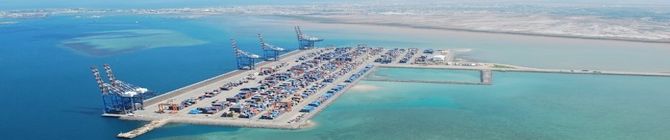
China has developed the port of Djibouti, where it has built a free-trade zone. This is likely to be Africa’s largest such zone, and it will be jointly run by the Djibouti Ports and Free Zones Authority and China’s state-owned Merchants Holdings Company. China’s engagement in Djibouti points to inadequate efforts by India to strengthen ties with that country and other nations in the Indian Ocean Region.

Wide Gap: Trade between India and Djibouti stood at $367.23 million in 2020-21, even as China-Djibouti trade amounted to more than $3 billion.

A recent report of the US Department of Defence says that China may be getting ready to deploy aircraft, carriers and submarines at its African base in Djibouti. This is an unpleasant reminder of China’s military challenge to India, not only along the disputed border, but also in the Indian Ocean Region (IOR).

China established its military base in Djibouti as recently as 2017. This was after the US, France and Japan had already gained a military foothold in the country. But China emerged as a strong competitor to all of them. That only reveals the extent to which it threatens India, a relatively weaker rival, in the IOR.

China is already a tough military contestant even in India’s immediate South Asian neighbourhood. In the wider Indian Ocean, from Africa’s east coast to Southeast Asia, China has a stronger naval and economic presence. And its ambition is to become a world power, dislodging the US, by 2049.

China is certainly on good terms with most littoral states and islands in the IOR, at the very least because they have joined its Belt and Road Initiative (BRI) and admire the rapid progress which has established it as the world’s second-largest, $17-trillion economy. It will take India’s $3-trillion economy time to catch up.

Djibouti is a tiny African country with an area of only 23,000 sq km and a population of just over one million. But its strategic position has made it a significant security player in the international arena. It is located at the edge of the crucial Bab al-Mandab (Gate of Tears in Arabic) Strait, which connects the Red Sea to the Indian Ocean through the Gulf of Aden and the Suez Canal. Twenty per cent of global exports pass through the strait annually. Additionally, 40 per cent of China’s oil imports and daily trade with the EU, which amounts to nearly $2 billion, are through the Gulf of Aden-Suez Canal route.

China has been quick to gauge the strategic potential of Djibouti. Despite its old trade ties in silk, spices, gold and ivory, India has not been able to take advantage of it. After Djibouti gained independence from France in 1977, China and Djibouti established diplomatic ties in 1979. It took India more than three decades to have a functioning embassy in Djibouti.

In 2018 and 2019, Djibouti’s President Ismail Omar Guelleh visited India to participate in conferences of the International Solar Alliance. Bilateral trade between India and Djibouti stood at $367.23 million in 2020-21, out of which India’s exports totalled $347.06 million and imports were to the tune of $20.16 million. In 2020, the China-Djibouti trade amounted to more than $3 billion.

The Djibouti base reflects China’s ability to make long-term strategic plans. For many years, civil conflicts in Somalia, Sudan and Yemen intensified threats to free shipping. China supported UN peacekeeping in strife-riven African countries and also provided security to Chinese ships. The intended result of these policies was to build China’s position as a major economic and security partner for countries located in the Horn of Africa.

China has expanded relations with Djibouti primarily through growing economic ties under the BRI framework. It has developed the port of Djibouti, where it has built a free-trade zone. This is likely to be Africa’s largest such zone, and it will be jointly run by the Djibouti Ports and Free Zones Authority and China’s state-owned Merchants Holdings Company.

China also started constructing a railway connecting Ethiopia to Djibouti in 2011 — even before the inauguration of the BRI two years later. The railway was completed in 2016. Moreover, China has built a pipeline to supply water from Ethiopia to Djibouti. To crown it all, Beijing is also funding a pipeline to send natural gas to Djibouti for export to China!

Chinese economic investments in the Indo-Pacific appear to follow a pattern. Economic investment usually comes first; it is followed by building strategically important ports. Djibouti has been developed as a deep-water port capable of loading heavy ships for trading and military purposes. China’s investment in India’s neighbouring countries has followed an analogous pattern: for instance, the deep-water ports, including Gwadar in Pakistan and Kyaukpyu in Myanmar, have commercial and strategic uses.

Meanwhile, the China Construction Bank has funded the laying of an undersea fibre optic cable by Huawei Marine Networks. This cable will connect Djibouti with Pakistan, as part of a brand-new Asia-Africa-Europe cable. So, Europe will benefit from China’s investments in Djibouti and Pakistan.

China’s strategy of expanding investment in Djibouti also promotes the government’s ‘Vision Djibouti 2035’, which aims to transform the country into a commercial trade hub of Africa. On the whole, what started as China’s economic engagement in Djibouti led to the establishment of its first overseas military base, where it could accommodate its aircraft carriers and submarines.

China does not shy away from the tussle with India for geoeconomic influence in the IOR, even as the Global Times has criticised western media for “always hyping up South Asia as a ‘battleground’, and for encouraging competition and rivalry between China and India”. It goes on to say that as the US woos India, “some of India’s political elites mistakenly believe they can benefit from a China-US feud, and they are increasingly inclined to view the relationship with China from the perspective of competition and rivalry”.

China’s engagement in Djibouti points to the slowness of India’s efforts to strengthen ties with that country and other nations in the IOR. India must realise the scale of what China is up to in the IOR, widen its strategic horizons and strengthen its intertwined educational, economic, technological and military bases.


Sunday, December 4, 2022

Chinese Military Outposts In Disputed South China Sea Pose Danger To Region's Landscape

Chinese asset in Djibouti posses a direct threat to the United States of America

Geneva: The geomorphologic stability of the South China Sea is in danger due to the Chinese militarization of man-made islands in the region, according to a media report.

According to The Geneva Daily, China's militarization of 20 outposts in the Paracel Islands and seven in the Spratly Islands in the disputed South China Sea (SCS) over the past ten years has been a source of great concern for both the countries in the area and for everyone who supports the value of freedom of navigation.

Closer examinations show that these military outposts may not actually be as strong as they appear to be. The geomorphologic stability of these man-made islands is a significant drawback. Since they were constructed quickly, no adequate structural feasibility or environmental effect analyses were done before they were completed.

The Geneva Daily claimed that as a result of the SCS's extremely corrosive water and weather, the service life of the concrete structures there is anticipated to be fewer than 25 years. Despite their size and amenities, the outposts are underpopulated due to the uninhabitable factor.

While the lack of freshwater resources, particularly drinkable water, is undoubtedly a hindrance, studies have also shown that the islands present a serious threat to the physical and mental health of their long-term residents.

The Spratly Islands' military officials had a high monthly morbidity rate, or incidences of health issues, according to a 2019 report that looked into and analysed the health needs of the officers and soldiers there, according to The Geneva Daily. These issues ranged from joint pain, skin diseases, and dental diseases to respiratory infections, gastrointestinal ailments, and head and neck issues.

Additionally, psychological issues like anxiety, depression, etc. are frequent, probably as a result of the bases' isolation. China is doing several studies on physical and mental agility in SCS, indicating that the People's Liberation Army (PLA) is concerned about it.

In addition, the PLA is aware of additional operational vulnerabilities. These islands, which are far from the mainland, might be easily targeted by adversarial cruise missiles.

Additionally, in the event of interdiction, it might be difficult to provide resupplies by air or sea.

Therefore, in the event of a confrontation, the military value of these bases would quickly decline. Due to such circumstances, it appears that these hastily constructed military outposts in the SCS are nothing more than reported "white elephants".

Though these military outposts in SCS are, in practice, serving the purpose of promoting Chinese hegemony in the region, can they stand the test of time and prove their operational utility, when actual conflict breaks out? Only time will tell.


Sunday, April 3, 2022

Solomon Islands Says Won't Allow China To Build Military Base


Honiara: The Solomon Islands clarified on Friday that it won't allow any foreign country to build military bases in the country following the speculations that were raised after the signing of security cooperation with China.

"Government is conscious of the security ramification of hosting a military base, and it will not be careless to allow such initiative to take place under its watch," a government statement said, adding that, "contrary to the misinformation promoted by anti-government commentators" the (security) agreement did not invite China to establish a military base in the country, The Diplomat reported.

The government statement emphatically ruled out the possibility of a Chinese base after Prime Minister Manasseh Sogavare earlier told parliament that it had no intention of asking China to build a base.

Sogavare said his nation sought only peace and prosperity, citing its foreign policy mantra: "We are friends to all and enemies to none." He said it wasn't a secret deal but a sovereign issue.

The Memorandum of Understanding (MoU) on security cooperation between China and the Solomon Islands was signed on March 18. It allowed China to send police, Armed Police, military personnel and other law enforcement forces to the Solomon Islands, on request, to assist in maintaining social order and accomplish other tasks agreed upon by both countries, according to media reports.

Under the provisions of the MoU, Chinese naval vessels can carry out logistical replenishments and Chinese armed forces can be moved to protect the safety of Chinese personnel and major projects in the Solomon Islands.

The Solomon Islands government said on Thursday that only a draft agreement of the new security pact had been initialled by representatives from the Solomons and China and that the agreement would be "cleaned up".

According to the report, Article 5 of the MoU stipulates that the nature of cooperation agreed upon cannot be disclosed to a "third party" without the consent of both parties.

Earlier, in 2019, the Solomon Islands switched its diplomatic ties from Taiwan to Beijing. The country already has had a bilateral security agreement with Australia since 2017.

The signing of a security partnership with Beijing has caused concerns in Canberra, as it views the development as part of an attempt by Beijing to set up a military base in the region.

Meanwhile, the Solomon Islands is also negotiating several other MoUs with China including on Civil Aviation Services and Expanding Trade under Non-Reciprocal Trading Arrangement, the report said.


Tuesday, March 29, 2022

Expansionist Plans: China Sings MoU On Security Cooperation With Solomon Islands


Beijing: China has signed the Memorandum of Understanding (MoU) with the Solomon Islands on "security cooperation" which allow Beijing to send law enforcement forces to the Islands.

The MoU on security cooperation between China and Solomon Islands was signed on March 18. It will allow China to send police, Armed Police, military personnel and other law enforcement forces to the Solomon Islands, on request, to assist in maintaining social order and accomplish other tasks agreed upon by both countries, said the report.

Under the provisions of the MoU, Chinese naval vessels can carry out logistical replenishments and Chinese armed forces can be moved to protect the safety of Chinese personnel and major projects in the Solomon Islands.

According to the report, Article 5 of the MoU stipulates that the nature of cooperation agreed upon cannot be disclosed to a "third party" without the consent of both parties.

Earlier, in 2019, the Solomon Islands switched its diplomatic ties from Taiwan to Beijing. The country already has a bilateral security agreement with Australia since 2017.

The signing of a security partnership with Beijing has caused concerns in Canberra, as it views the development as part of an attempt by Beijing to set up a military base in the region.

Meanwhile, the Solomon Islands is also negotiating several other MoUs with China including on Civil Aviation Services and Expanding Trade under Non-Reciprocal Trading Arrangement, the report said.


Monday, November 29, 2021

China Quietly Developing Military Bases In Pacific Islands


China has started to court several countries in an effort to expand its diplomatic and military profile in the Pacific Islands. China, which wishes to expand its maritime and economic profile has started to court the Pacific island nations.

According to the Singapore Post, Kiribati a Micronesian country is discussing opening up its largest marine reserves to commercial fishing which may serve a dual purpose like a naval base for the Chinese as well.

Pacific country's President Taneti Maamau, decided to open up the marine reserves to commercial fishing to China which could be exploited for dual purposes.

However, the Kiribati government said the move will fetch over USD 200 million in cash for Kiribati.

As per the Singapore Post, China is emerging as a major diplomatic and economic partner of Pacific island countries especially during the COVID-19 pandemic as the small countries are struggling with their economies.

Vanuatu which lies 2000 km away from Australia though denied that it was allowing China to develop a military base on its soil.

On the other hand, as reported by the Asia and the Pacific Policy Society, there is a difference between mirage and reality. In China's case, there is no mirage but only reality. Between 2006 and 2019, as per the Australian think tank, the PLA delegation paid 24 visits to the Pacific island countries.

In this background, how the US-led Quad or AUKUS counter challenges thrown by China will have to be closely watched.

The Pacific islands region is dominated by the ever-increasing one up among the countries constituting Micronesia, Melanesia and Polynesia.

China has started to court the above countries in an effort to expand its diplomatic and military profile in the Pacific Islands.

Earlier, the prospects of a Chinese-financed major wharf on Vanuatu's Santo Island being converted into a "dual-use" facility was curtailed with active pressure from both Australia and the US.

It's noted that Vanuatu is a Melanesian country and China funds the Melanesian Spearhead Group (MSG) based in Suva, Fiji.

In an effort to develop it's a communication system in the region, China funded the undersea fibreoptic system, which would have originated in Guam, which was "designed to improve the communications in the island nations of Nauru, Kiribati and Federated States of Micronesia which was cancelled with pressure from the United States citing security concerns, reported Singapore Post.

China's effort to fund the undersea cable network in the Micronesian countries is to rival the Manatua One Polynesia Fibre Cable which is a submarine communications cable linking Polynesian countries such as Samoa, Niue, the Cook Islands, and French Polynesia.

After long being a continental power, China in the 21st century has started to follow an ambitious maritime expansion course, seeking to bolster its power-projection capabilities, especially in North Asia, South-east Asia, the South-west Pacific and the South Pacific.


Saturday, July 31, 2021

Reviving Port of Berbera: Why India & UAE Can Be Partners In Western Indian Ocean


New Delhi: Last month, on June 24, a new container terminal was inaugurated at the port of Berbera in the self-governing territory of Somaliland. Somaliland is a break-away region of Somalia and is not recognized by any other state. The port of Berbera is located along the southern coast of the Gulf of Aden and is being developed by DP World; a company backed by the United Arab Emirates (UAE).

Underscoring the strategic significance of the modern port in the region, the inaugural ceremony was attended by a high-level delegation from neighbouring Ethiopia, President of Somaliland and CEO and Group Chairman of DP World. The event also included a ground-breaking ceremony of Berbera Economic Zone. The completion of phase one of the port's modernisation is a symbol of the strategic convergence between the UAE, Ethiopia and Somaliland.

The new container terminal has more than tripled the overall capacity of the port and can handle the largest container ships which are in operation today. DP World has committed to invest up to $ 442 million in the three-phase port modernisation programme and will also operate the facility for the next three decades. The opening of a modern port, backed by an important Gulf power, is significant not only for its anticipated economic benefits but also has major geopolitical implications.

Evolving Regional Geopolitics

In the last few years, Persian Gulf powers like UAE, Saudi Arabia and Qatar have been engaged in expanding their influence in the Horn of Africa and are busy opening commercial and military facilities in the Red Sea region. Major global powers like the United States (US), Japan, China and France have established military bases in Djibouti. Reportedly, India had also demonstrated interest in opening the base at Djibouti and Russia has recently announced that it will establish a military base in Sudan.

Of these, China is the most active power and is boosting up its military presence in the region by regular deployments of PLA Navy warships. It is engaged in developing major infrastructure projects such as ports and railways in Djibouti, Ethiopia and Kenya. As a result of these activities, the littoral and continental space from Sudan in the north to Kenya in the south has become a focal point of strategic rivalries between regional as well as global powers.

The port of Berbera and Somaliland's geopolitical location at the crossroads of West Asia, Horn of Africa and Indian Ocean is likely to assume increasing strategic importance as the Indo-Pacific rivalries sharpen. Historically, the strategic location of the port near the straits of the Bab-el-Mandeb, which is a key maritime choke point for international trade and global energy security, has attracted foreign powers. For example, during the Cold War, Soviet Russia had maintained a major base at Berbera. In the last few years, UAE has established a firm foothold at Berbera.

Convergence of Interests

Interests of UAE, Ethiopia and Somaliland converge at Berbera. UAE is the primary strategic partner for Somaliland and has provided security guarantees to the self-governing territory. Earlier, UAE's DP World was operating the port of Doraleh in Djibouti. However, as relations deteriorated between UAE and Djibouti, DP World was ousted from the project and a Chinese company was brought in. Meanwhile, as UAE and Djibouti are still locked in a legal battle over the port of Doraleh, China has consolidated its presence in Djibouti.

For UAE, developing the port of Berbera and building strategic partnership with Somaliland serves two inter-related objectives: challenge the pre-eminence of the port facilities at Djibouti for the shipping enroute to the Suez Canal and expand its influence in the Horn of Africa. DP World aspires to develop Berbera as a trans-shipment hub for the region. Through its entrenched presence in Somaliland and in Southern Yemen, UAE is in an enviable geopolitical position: it can monitor the strategically important Gulf of Aden closely and shape the strategic affairs of the region.

Ethiopia, world's largest land-locked state in terms of population, depends on Djibouti for 95 percent of its foreign trade. It seeks to diversify its access routes to the sea and has stakes in developing the port and other connecting infrastructure at Berbera. There are plans to develop the Berbera corridor and link up with a modern highway in southern Ethiopia. It will help to boost economic development of the eastern and southern Ethiopia.

On its part, Somaliland recognizes that the modern port at Berbera along with political stability will strengthen its economic attractiveness. The increasing volume of shipping, maritime, air and land connectivity facilitated by UAE and Ethiopia, and consequently, growing strategic importance of Berbera would also open up possibilities for diplomatic contacts and eventual recognition.

India's Interests

Gulf of Aden is an integral part of India's maritime neighbourhood and sharpening rivalries between major powers underscore the need for increasing India's strategic presence in the region. India has recently opened its embassy in Djibouti and has been steadily expanding its engagement with the Horn of Africa. India manages its relations with Somalia through its mission in Kenya.

Officially, there is no contact between India and Somaliland. Given the importance of Somaliland's geopolitical location, establishment of a trade mission or some sort of unofficial contacts would prove beneficial. Indian navy is regularly deploying its warships in the region for providing food and medical assistance as well as for anti-piracy patrols. A foothold in Somaliland would expand India's presence and prove useful in monitoring Chinese activities in the region.

In the last few years, India has emerged as a close strategic partner for UAE and the friendship could perhaps be leveraged to open channels of communication with Somaliland. Compared with the unstable politics and prevailing insecurity in Somalia, democratic Somaliland is stable and secure. Therefore, India could recraft its policy towards the region to better reflect the recognition of Somaliland's political, economic and strategic significance.


Saturday, April 24, 2021

China Prepares To Send Aircraft Carriers To Australia In Belt And Road Fury

J-15 “Flying Shark'' fighters sit in their launch positions aboard China's aircraft carrier Liaoning

An ominous new threat has emerged from one of China’s schemes, with the superpower making moves that could have huge implications. China’s terrifying move in our backyard. Experts claim China has a secret navy that exerts its territorial claims in the South China Sea and beyond

A recently completed pier at the Chinese naval base near the Indian Ocean is large enough to support an aircraft carrier, the top US commander for Africa says. And that could leave Australia’s defences wrong-footed.

US commander for the African region General Stephen Townsend told the House Armed Services Committee this week that the military facility was undergoing significant expansion.

He also noted it was alongside the Chinese funded civilian deep water port of Doraleh, paid for under Beijing’s controversial “Belt and Road” international investment scheme.

“Their first overseas military base, their only one, is in Africa, and they have just expanded that by adding a significant pier that can even support their aircraft carriers in the future,” General Townsend said. The outpost became operational in 2017 as part of Beijing’s stated desire to contribute towards humanitarian relief efforts and United Nations anti-piracy operations off the coast of Somalia.

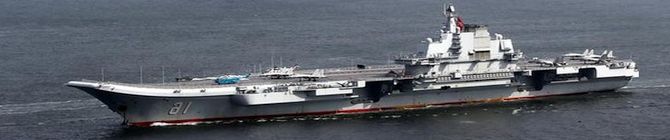
It has since expanded to become a significant supply hub supporting sizeable naval expeditionary forces. The new 330m-long pier can accommodate two of China’s biggest ships, including Type-075 amphibious assault ships and the aircraft carriers Liaoning and Shandong. Recent satellite photographs work has begun on dredging a possible second pier close to the first.

This would significantly expand the number of ships the base could service at any given time.

Recent satellite photos of recently completed pier at the Chinese naval base near the Indian Ocean


Strategic Hub

Djibouti is a tiny North African nation occupying one side of the narrow Bab al-Mandab Strait. This links the Red Sea to the Gulf of Aden. It’s a significant choke-point for the vital shipping route running from Europe, through the Suez Canal, to the Indian Ocean.

The US, France, Italy, Spain, Japan and Saudi Arabia also have military outposts within the 23,000sq km nation. Camp Lemonnier, the only permanent US base in Africa (though there are some 28 other outposts), is just 10km from the People’s Liberation Army (PLA) facility. In recent years, pilots landing there have complained of lasers being flashed into their cockpits from the port.

In 2017, China’s Ministry of Defence declared the Djibouti facility was “for the purpose of better undertaking its international responsibilities and obligations and better protecting its lawful interests, instead of seeking military expansion.”

Those benevolent intentions appear to have been forgotten.

The outpost is heavily defended for an overseas humanitarian support facility. It is fortified with steep embankments, double walls and watchtowers. A heliport capable of operating some 24 helicopters is positioned at its heart. There are 10 large multi-storey buildings likely to be barracks and accommodation set alongside a substantial administrative complex. Washington-based think-tank the Jamestown Foundation warned in 2017 that the outpost “presents a risk for US military and intelligence operations in the region, and requires greater vigilance on the part of the US intelligence and national security community.”

General Townsend this week agreed, saying the base was now a “platform to project power across the continent and its waters.

It also is a taste of things to come.

“Around the continent, they are looking for other basing opportunities,” he told the committee.

“China is of great concern. They are literally everywhere on the continent. They are placing a lot of bets down. They are spending a lot of money. They built a lot of critical infrastructure.”

Australia’s Second Front

The “Belt” in Beijing’s “Belt and Road” international investment strategy is an extensive array of ports extending from Africa to mainland China.

Djibouti is just one part.

Beijing is working to establish naval and commercial outposts in Pakistan, Sri Lanka and Thailand. It has also sought to establish its influence over small island states in the region, such as Madagascar, the Maldives, Mauritius and Seychelles. This would increase its ability to control choke points such as the Strait of Bab el Mandeb, the Strait of Hormuz, the Strait of Malacca - and possibly even the Cape of Good Hope. All are strategically significant to Australia.

But Canberra’s strategic influence campaign is focused on winning “hearts and minds” in the South Pacific. Not the Indian Ocean.

“In recent years – and for good reason - the strategic commentariat in both Australia and India has become increasingly concerned with the rise of China’s maritime power and the potential threat that this development poses for both nations,” a Lowy Institute article authored by James Goldrick and Sudarshan Shrikhande reads.

They note Australia is reliant on Indian Ocean shipping for aviation fuel - something its dwindling number of onshore refineries can no longer produce. And that’s just one example of many.

“China would be very interested in continuing to ‘use’ most if not all the Indian Ocean for its trade, and especially its energy flows. So would India and Australia,” they write. “Were a conflict to take place between China and India (or Australia, for that matter), ‘strategies of denial’ would, in fact, be part of a multidimensional fight to compete for sea control.

“Thus, to deter a conflict from escalating into a larger one – and to fight effectively if events moved to a shooting war – a ‘balanced force’ is vital.”


Sunday, January 24, 2021

Chinese Navy Faces Overseas Basing Weakness, Report Says

A Chinese warship is seen at the port of Dar es Salaam, capital of Tanzania

A major weakness “the largest navy in the world” has yet to solve is where Beijing will find skilled shipyard workers and modern facilities to maintain its fleet’s combat readiness far from its shores, the co-author of a major study examining Chinese vulnerabilities said Thursday.

Speaking in a Centre for Strategic and Budgetary Analysis online forum, Toshi Yoshihara said, “Chinese analysts can only dream about this access” to the host nation’s workforce and facilities at places such as Yokosuka in Japan and Diego Garcia in the Indian Ocean that the United States enjoys.

China “has a long way to go” in finding nations in “far seas” that are willing to become more actively involved with the People’s Liberation Army Navy and expose themselves to risk if war breaks out. In addition, Beijing would have to work very hard and at substantial cost to overcome “this tremendous lead” the United States has established in basing, maintenance and alliances since the end of World War II.

Yoshihara said, “we can’t contest China everywhere,” which is why Washington and its allies and partners need to have options “to complicate Chinese plans.” An example of that would be “to demonstrate the ability to defend … in the Indian Ocean.” The targeting of potential Chinese weakness could come in demonstrating “fleet air defence of Diego Garcia,” an action “very pointed and very specific.” The report adds that showing leap-ahead technologies in action is another way to alter Chinese thinking.

The report recognizes China as a major local and global power, according to John Lee, who moderated the discussion on the report. “Chinese strengths and weakness are fluid over time” and so they will change as conditions evolve and American allies and partners act, he said. Speaking from Australia where he is with the United States Studies Centre at the University of Sydney, Lee said President Xi Jinping “is pursuing a high-risk, high pay-off strategy” that is spreading Chinese “resources to cover the far seas, near sears and continental periphery.”

In part, the move to being a global military power reflects its “far-flung economic interests,” Yoshihara said. The Chinese learned a lesson during the Libyan crisis almost 10 years ago – it needed “to protect its own nationals” caught up in the civil war. Chinese leaders see the nation “has the resources and will to protect those [people] and equities” to meet an urgent need, he said.

But “we can see Chinese basing as a liability” to them if there is only one facility in the Indian Ocean, for example, according to Jack Bianchi, co-author of “Seizing on Weakness: Allied Strategy for Competing with China’s Globalizing Military.”

Again, the host nation can see itself as vulnerable in a crisis not of its own making.

To reduce that potential weakness, “new commitment begets new commitment” to avoid being cut off in war, but escalates costs, Bianchi said. Now, the Chinese have a base in Djibouti and are exploring possible facilities on the east coast of Africa and the South Pacific. The panellists noted that China’s initial approaches to other nations has been commercial, such as proposals to build needed infrastructure like dams, highways, airfields and ports.

China’s practices of balloon-payment loans that cause defaults and its shoddy quality goods produced to protect health care workers during the pandemic have raised concerns about the value of undertaking these projects with Beijing and buying its equipment.

More recently, China has also come forward with a “digital Silk Road” effort to modernize telecommunication networks globally, a presence that other nations have yet to match. The United States has warned that that doing business with Chinese companies like Huawei leave nations vulnerable to espionage.

Bianchi said the Chinese must cover the start-up costs of these facilities, maintaining the bases and the logistical chain to support them – costs that will likely be higher for China than they are for the United States.

According to the report, these relations do not “materialize overnight: they are forged by such intangibles as trust, shared values, institutionalized interactions, and a history of close cooperation. Most of China’s ties with potential host nations lack these essential qualities.”

Yoshihara said the question for the Chinese on far seas basing comes down to quality, durability and the reliability of the host nation, in addition to both the facilities and labour in that country.

“Going global is very hard,” Bianchi said.

Bianchi also said the Chinese Communist Party in the future will have to manage the demands for overseas basing domestically, in addition to commitments to defence spending.

He cited Chinese leaders’ historic “paranoia of encirclement” on land and sea.

As the report states, “China faces an inescapable two-front dilemma in the continental and maritime directions, imposing built-in limits on its global ambitions.” It adds that Chinese strategists recognize its new seaward turn “has been predicated on peace on its continental front. Over the past three decades, amity with Russia freed China to go to sea.”

That relationship between two major nuclear powers could change.

Yoshihara said, “nearby security challenges could serve as a cap” on Chinese expansionism on land and sea. “Potential flashpoints in offshore areas involving Taiwan, the Senkakus, or the Spratlys [islands near the Philippines] tie up contingency-specific capabilities that are not transferable to global missions. For instance, short-range ballistic missiles, shore-based tactical fighters, and coastal combatants would have limited utility for expeditionary operations” the report states.

Taiwan is the most immediate example of that “First Island Chain” challenge to Beijing. The calculated risk the United States is taking ranges from more frequent freedom of navigation transits of the straits between China and the island, to stepped up arms sales to Taipei, to a new emphasis on asymmetric defences and more frequent visits to Taiwan by ranking American officials.

China routinely denounces these moves as counter to the “One-China policy” Washington and Beijing have agreed to. Under this policy, in Beijing’s view, Taiwan is considered a Chinese province that will be eventually reunited with the mainland. In response to the latest American transits, Beijing sent an aircraft carrier through the straits.

Bianchi and Lee said Taiwan needs to better understand how important a role it can play in challenging China by “changing its mindset” away from purely investing in large legacy weapons systems and concentrating on asymmetric defences. It also would set the stage for planning and closer cooperation with Japan in addressing Chinese threats.

The Philippines, a U.S. treaty ally, is in the first island chain. The Trump administration at the beginning of 2020 announced a policy that rejects Chinese excessive territorial claims – including to the Spratlys – and regards that matter settled in favour of Manila.

Source>>

Thursday, December 24, 2020

Can China Dominate The Indian Ocean?


Is China really trying to dominate the Indian Ocean? Looking back, a major step for China was its first deployment of warships to the Gulf of Aden to join an international counter-piracy effort. The first trio of warships arrived in December 2008, and a task force has seen a constant presence there ever since

Today it is legally indisputable that the high seas belong to all. This means China`s navy has as much right to ply the Indian Ocean as any other nation, even though it might make countries like India feel a creeping sense of dread .Likewise, it is a well-established fact the People`s Liberation Army Navy (PLAN) has been sailing in the Indian Ocean far more frequently in recent years, compounded by fears that Beijing is seeking to establish new naval bases on the periphery of this ocean.

Yet, is China really trying to dominate the Indian Ocean? Looking back, a major step for China was its first deployment of warships to the Gulf of Aden to join an international counter-piracy effort. The first trio of warships arrived in December 2008, and a task force has seen a constant presence there ever since. Chinese warships remain despite pirate attacks disappearing almost entirely in the area.

However, such assets have also been used for non-combatant evacuation operations in Yemen and Libya, plus ships are available for humanitarian assistance operations. China is understandably concerned about protecting its sea lanes, the conduits that bring in raw materials (9.3 million barrels of oil per day, with 44% of Chinese oil imports coming from the Middle East, in 2018) and which simultaneously deliver finished products to Africa and Europe (20% of China`s GDP comes from exports).

Strategists call these sea lines of communication (SLOC), and Beijing wants to protect them from threats in peacetime and against hostile powers in times of tension or war. China`s economic investments continue to grow, as does the diaspora of its citizens. The Middle East and Africa comprise an essential part of Chairman Xi Jinping`s flagship Belt and Road Initiative, and its importance is seen in the fact that Xi has visited the region 18 times since he gained power in 2012.

Furthermore, there are particular chokepoints along these SLOCs, locations where shipping is funnelled and becomes particularly vulnerable. The most obvious of these is the Strait of Malacca between Singapore, Malaysia and Indonesia. Other chokepoints are the Strait of Hormuz, Bab-el-Mandab (the Horn of Africa) and Suez Canal. China`s interest in the Indian Ocean region is a product of growing commercial interests, with the PLAN being handed the task of safeguarding them.

This is not a new concern, for Beijing`s 2015 Defence White Paper stated that "with the growth of China`s national interests, its national security is more vulnerable to international and regional turmoil...and the security of overseas interests concerning energy and resources, strategic sea lines of communication, as well as institutions, personnel and assets abroad, has become an imminent issue".

In actual fact, three critical factors affect how China can project power, protect its SLOCs and keep chokepoints open. The PLA is acutely aware of all three, and much effort is devoted to negating current disadvantages. First is the PLAN`s rather modest presence in the Indian Ocean, especially compared to powers like India or the USA.

Second is the PLAN`s limited air defence and anti-submarine warfare capacity. Third is China`s rather limited logistics/sustainment infrastructure along the Indian Ocean`s periphery. If China is to dominate the Indian Ocean, if that is its aim, it must address each of the above weaknesses. Interestingly, the US Naval War College recently published a report addressing the PLAN`s utilization of the Indian Ocean.

Authored by Jeffrey Becker, the report entitled Securing China`s Lifelines across the Indian Ocean provides insights into Chinese ambitions. It summarized China`s predicament as follows: "To address these challenges, Beijing has already undertaken a series of initiatives, including expanding the capabilities of China`s base in Djibouti and leveraging the nation`s extensive commercial shipping fleet to provide logistics support. Evidence suggests that China may also be pursuing other policy options as well, such as increasing the number of advanced PLAN assets deployed to the region and establishing additional overseas military facilities. "Becker admitted, "However, while the PLAN`s ability to operate in the Indian Ocean has improved considerably, its ability to project power into the region, and defend access to SLOCs and chokepoints in times of crisis, remains limited."

Addressing each of the three factors in turn, the first was China`s modest naval presence in the Indian Ocean, with just two warships and a support vessel on permanent rotation to the Gulf of Aden. Other warships may occasionally make passage or conduct exercises, plus it is estimated that Chinese submarines perform just two forays into the Indian Ocean annually on average.

Nonetheless, Chinese naval exercises west of the Malacca Strait (but still in the eastern part of the Indian Ocean) are becoming more common. These have two advantages, familiarizing crews with the area, and normalizing the appearance of PLAN ships. It is certainly possible for the PLAN to deploy more ships there, for it is the largest navy in the world in terms of hull numbers. Becker quoted one source suggesting "that China is already capable of maintaining about 18 ships on station fulltime in the Indian Ocean, given the PLAN`s current force posture".

Senior Captain Liang Fang at China`s National Defence University has written papers advocating that the PLAN deploy aircraft carriers there to protect SLOCs. A Chinese carrier group operating around the Horn of Africa would certainly make a bold statement about Chinese power projection capabilities, and could provide leverage over nearby countries.

However, it is rare for Chinese experts to directly discuss any concept of a dedicated PLAN Indian Ocean squadron. The second aforementioned factor is the PLAN`s limited air defence and anti-submarine warfare capacity.

Close to home, Chinese warships enjoy support from land-based missiles and aircraft, plus a heavy concentration of submarines, but these are luxuries not afforded in distant seas. Such support would be absent in the Indian Ocean, plus Chinese assets would be within land-based strike range of potential adversaries like India.

The latter, especially in the Andaman and Nicobar Islands, is boosting its ability to detect and track foreign submarines and surface ships. The defensive capacity of Chinese warships is improving, though, The Type 052D destroyer, for example, has 64 vertical-launch missile cells that can fire missiles against multiple enemy aircraft.

However, within their first five years of service since 2014, none had deployed to the Gulf of Aden. Significantly, their first foray with a Gulf of Aden task force occurred in May 2019. Moving on, the third factor is China`s limited logistics support infrastructure in the Indian Ocean region. China formally opened a shore-based base in Djibouti on 1 August 2017.

China is not the only country with a military presence in Djibouti, for France, Italy, Japan and the USA all have military facilities there, with the Saudis to build one too. China has been expanding the pier at its Djibouti military base in recent weeks, sufficient to host at least a four-ship flotilla, including the large Type 901 auxiliary ship. The future deployment of more advanced weaponry to Djibouti - such as surface-to-air missiles or anti-submarine aircraft - would indicate more urgent Chinese intent. Already, one of six berths at Djibouti`s commercial Doraleh Multipurpose Port is reserved for use by the PLA.

Becker commented on auxiliary ships: "While these ships could be used to support other vessels in the fleet, given their limited numbers, and the fact that they were designed to support the PLAN`s future carrier strike groups, expanding facilities in Djibouti to support Type 901s may indicate that the base could also host a PLAN carrier strike group in the future. Indeed, the size and nature of the facilities being built at Djibouti suggest that the PLAN is establishing the capability to support a carrier strike group from its first overseas base should it so chose.

"China is well aware of the advantages that new regional logistics bases would bring, and Pakistan is usually touted as the most likely location. Becker noted, though, "...At least in the near term, the likelihood of the PLAN obtaining access to a military facility which it could use during a conflict remains remote, as many Indian Ocean region countries seek to maintain a balance in their relations between regional powers, and appear unlikely to abandon this hedging approach."

One Chinese scholar, Gao Wensheng of Tianjin Normal University, encourages setting up such Chinese "strategic fulcrum ports" to enhance logistics support in the region. This topic, often referred to as the "string of pearls theory", has generated a lot of heat and noise. Such bases along the coast of the Indian Ocean - whether dual use or purely military - would undeniably greatly aid the PLAN`s ability to operate so far from home.

Becker assessed, "Over the past decade, the PLAN has proven capable of sustaining small groups of vessels in the Indian Ocean for long periods of time. However, though a three-ship taskforce is sufficient for the PLAN`s counterpiracy needs in peacetime, defending access to Indian Ocean SLOCs in a conflict would require a much larger and more sustained force, and the PLAN has only a limited number of replenishment ships capable of supporting far-seas operations."

A shortage of replenishment ships (currently eight Type 903/903A and two Type 901 vessels) could force China to utilize its massive commercial fleet, one of the largest in the world.

Becker indeed noted: "Beijing has already taken steps so that the fleet can better support PLAN activities. For example, it has promulgated regulations requiring certain civilian vessels - including roll-on/roll-off vessels, tankers and container ships - be built to military specifications, theoretically facilitating their future use by the navy with few if any modifications. 

In September 2016, China enacted the Law of the People`s Republic of China on National Defence Transportation, which improves the process for military requisition of civilian transportation assets during wartime, natural disasters, emergencies or `special circumstances`, both domestically and abroad. "Chinese commercial vessels have taken part in maritime exercises, meaning that an entity such as COSCO could easily be called upon to support the PLAN in the Indian Ocean to augment naval capabilities. 

Furthermore, Chinese state-owned companies own or operate port facilities around the region (including Djibouti, Egypt, Malaysia, Pakistan, Singapore, Sri Lanka and the UAE), and they could provide some degree of sustainment.

In line with other analysis, Becker concluded: "...Other than its base in Djibouti, the PLAN does not, at present, appear to have arrangements with any other country in the region that would allow it to preposition specialized military equipment or technicians required to use that equipment, even in port facilities owned or operated by Chinese state-owned firms. Host governments whose ports do service PLAN vessels during a conflict, or allow the PLA to preposition military equipment on their territory, could possibly be dragged into the conflict as a co-belligerent."

Yet China has slightly improved its posture by developing more comprehensive naval facilities farther south within China - including an aircraft carrier base at Yulin on Hainan Island, thus speeding up the PLAN`s ability to deploy assets to the Indian Ocean. China could also surge platforms from reclaimed reef bases in the South China Sea, as they can harbour ships and accommodate aircraft such as fighters, maritime patrol and aerial refuelling types. This would give the PLA a quicker response to any contingency in the Malacca Strait, for instance. It would make sense for China to establish a second overseas military base at the eastern end of the Indian Ocean, to help defend access to the region. 

For many years, locations such as Myanmar have been discussed. Or even farther east, China`s military relationship with Phnom Penh has become quite exclusive in recent years. In 2019 there were media reports that China may have forged an agreement for the PLAN to use a Cambodian naval base, plus a large and mysterious airport is being constructed in Cambodia. 

Speculation is rife that the PLA could one day use the latter, even though Cambodia is some 1,000km from the Malacca Strait. Becker suggested another possibility, that Beijing may simply be content to emulate the Soviet Union`s past presence in the Indian Ocean. The Cold War power sought only limited SLOC protection and localized sea denial, as opposed to outright sea control. This could represent an achievable solution for China too.